
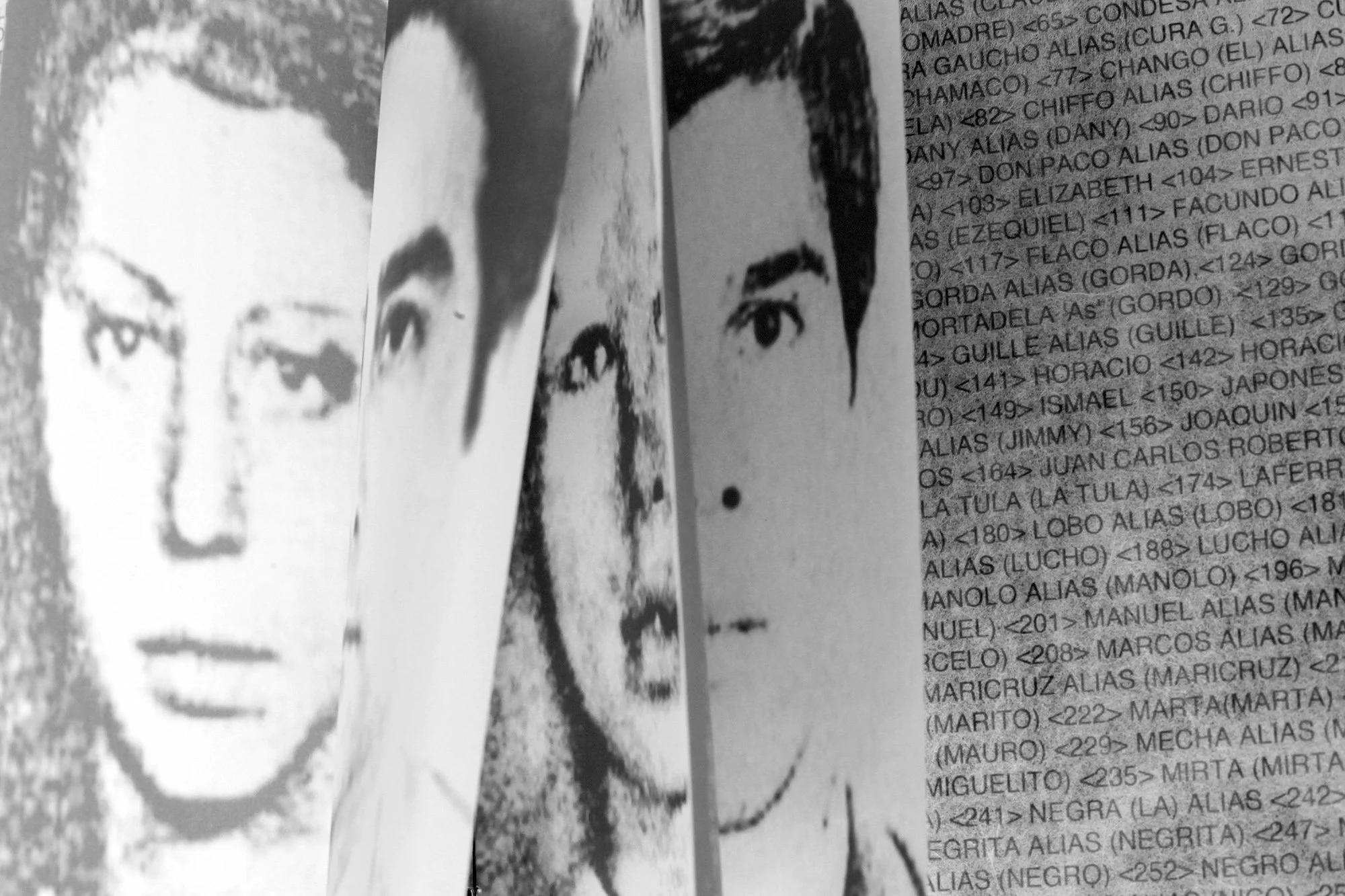
FOTOLIBRO: RELATO, ORGANISMO Y ACCIÓN
El fotolibro es un ente indomesticable: late, muta, se contamina y desafía sus propios límites. Su narrativa no solo se contempla: se activa al manipularlo —abrir, pasar páginas, desplegar, tocar— y se transforma al encarnarse con otros cuerpos, tiempos y espacios. Cada parte cumple una función y, al mismo tiempo, se articula con el todo.
En este programa online de 8 módulos, impartido por profesionales en activo de distintos ámbitos y latitudes, explorarás desde múltiples perspectivas el universo del fotolibro contemporáneo: la experimentación sensorial, la construcción de la narrativa y los lenguajes del diseño editorial, la práctica editorial, así como el cruce con el cine y la exhibición en pared.
A lo largo de las clases, combinarás reflexión crítica y procesos prácticos para pensar y crear fotolibros de manera expansiva, activa y consciente del contexto en el que circulan.
Se admiten estudiantes de todos los niveles.
Modalidad del curso: Online a través de Zoom
Duración: Ocho sábados (2 horas cada uno)
Fechas: Sábados, del 7 de marzo al 16 de mayo (excepto el 4 de abril y el 2 de mayo)
Horario: 11am-1pm (ET)
Coordinadora: Verónica Fieiras (Argentina)
Artistas docentes:
Oleñka Carrasco (Venezuela/ Francia)
Faride Mereb (Venezuela / USA)
Fosi Vegue (España)
Sonia Berger (España)
Sergio Valenzuela-Escobedo (Chile / Francia)
Azul Aizenberg (Argentina)
Idioma: Español
Un recorrido por el libro como dispositivo activo.
Sobre la coordinadora:
Verónica Fieiras es trabajadora visual, docente y editora fundadora de las editoriales Riot Books y Chaco. Acompaña proyectos visuales y fotolibros en proceso desde hace más de quince años. Su labor editorial fue premiada con el “Shannon Michael Cane Award”, Printed Matter, N.Y. (2019), el “Paris Photo-Aperture Foundation PhotoBook Award” (2013), el “Primer premio al mejor fotolibro” en coloquio Latinoamericano de Fotografía de México (2017), entre otros, y distinguida en: “Les rencontres de la photographie Arles, author book award” (2015 y 2016), “Best book of the year Photobook Festival Kassel”, (2014), “Paris Photo-Aperture Foundation PhotoBook Award” (2021). Varios de los libros que editó y diseñó se expusieron en lugares como: Centro de Cultura Contemporánea de Barcelona, Biblioteca Nacional de España, Círculo de Bellas Artes de Madrid, Daegu Photo Biennale, The Museum of Fine Arts de Houston y MOMA de New York, entre otros y fueron adquiridos en colecciones públicas y privadas tales como: Martin Parr, Gerry Badger, Erik Kessels, Joan Fontcuberta, MOMA, Museo Nacional Centro de Arte Reina Sofía, Centro de la Imagen de México, entre otras. Ha comisariado tres exposiciones con foco en el proceso creativo y la conceptualización de fotolibros en México, Madrid y Barcelona.Reside en Buenos Aires desde el 2019 tras veinte años en Madrid.
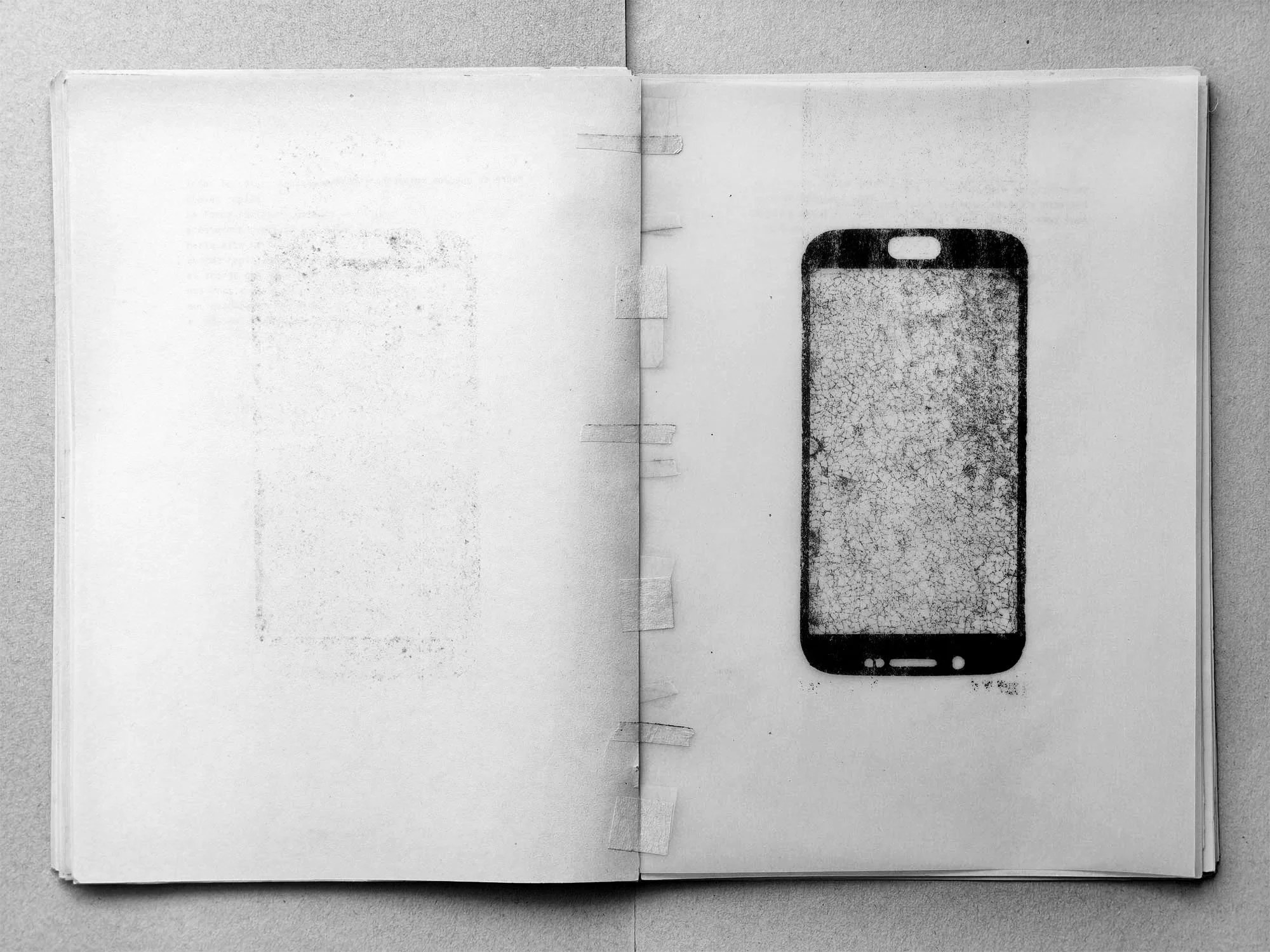
Sobre los artistas docentes:
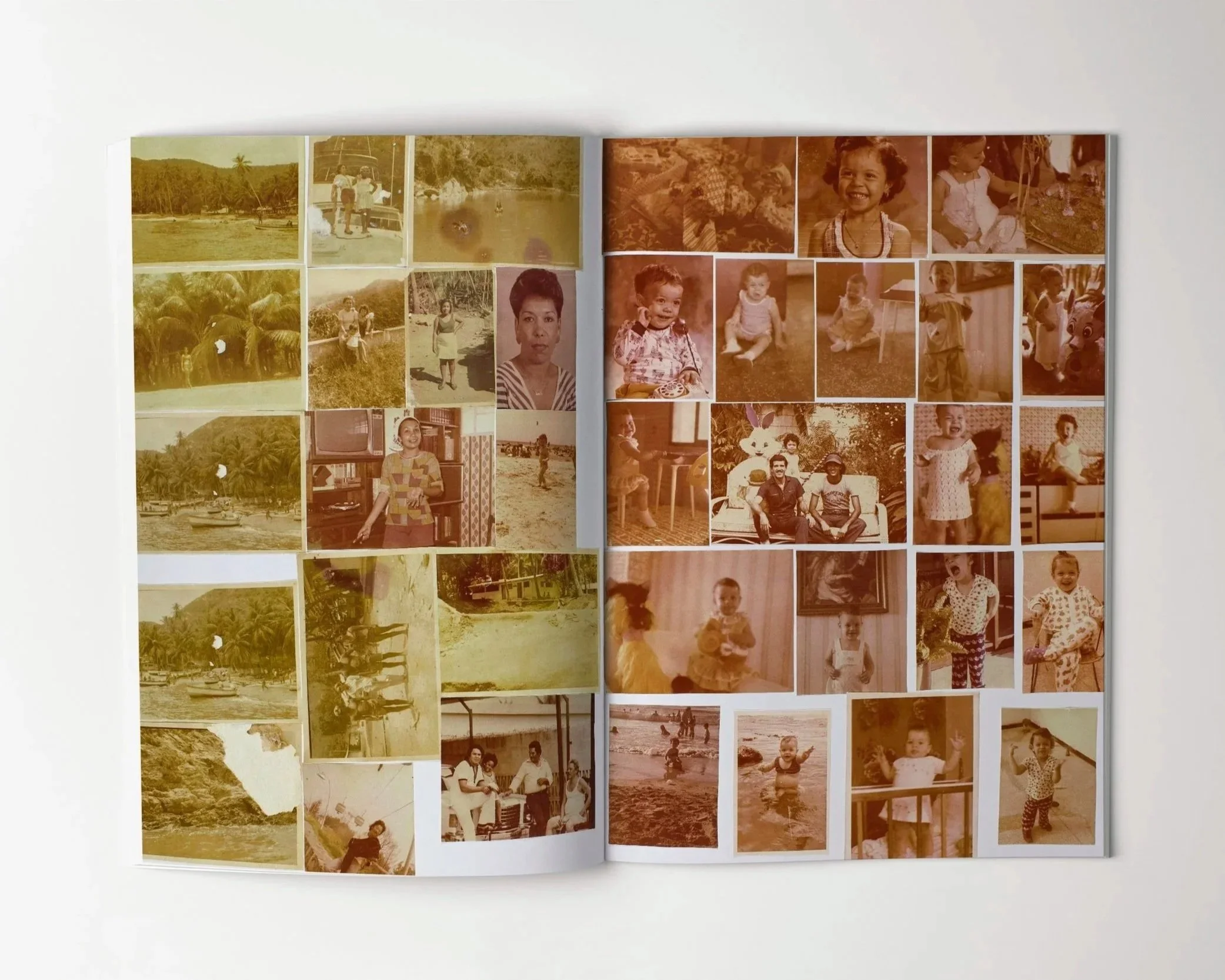
Oleñka Carrasco es una artista multidisciplinar venezolana, fotógrafa, narradora visual y docente especializada en el fotolibro. Su trabajo ha sido reconocido internacionalmente: fue finalista del Luma Rencontres Dummy Book Award de Arles (2015 y 2022, con Cartas de París y Casa prestada para un duelo), obtuvo el Photo Folio Review Award en los Rencontres d’Arles 2022, y recibió el Premio del CNAP a la fotografía documental contemporánea 2025. Sus fotolibros editados han sido también seleccionados y shortlist en los Premios de Fotolibro del Año en Arles y Atenas, confirmando la fuerza narrativa y visual de su obra. Paralelamente a su carrera artística, desarrolla una labor pedagógica sólida a través de talleres y mentorías, acompañando a autores a atravesar todas las etapas del viaje de un fotolibro.
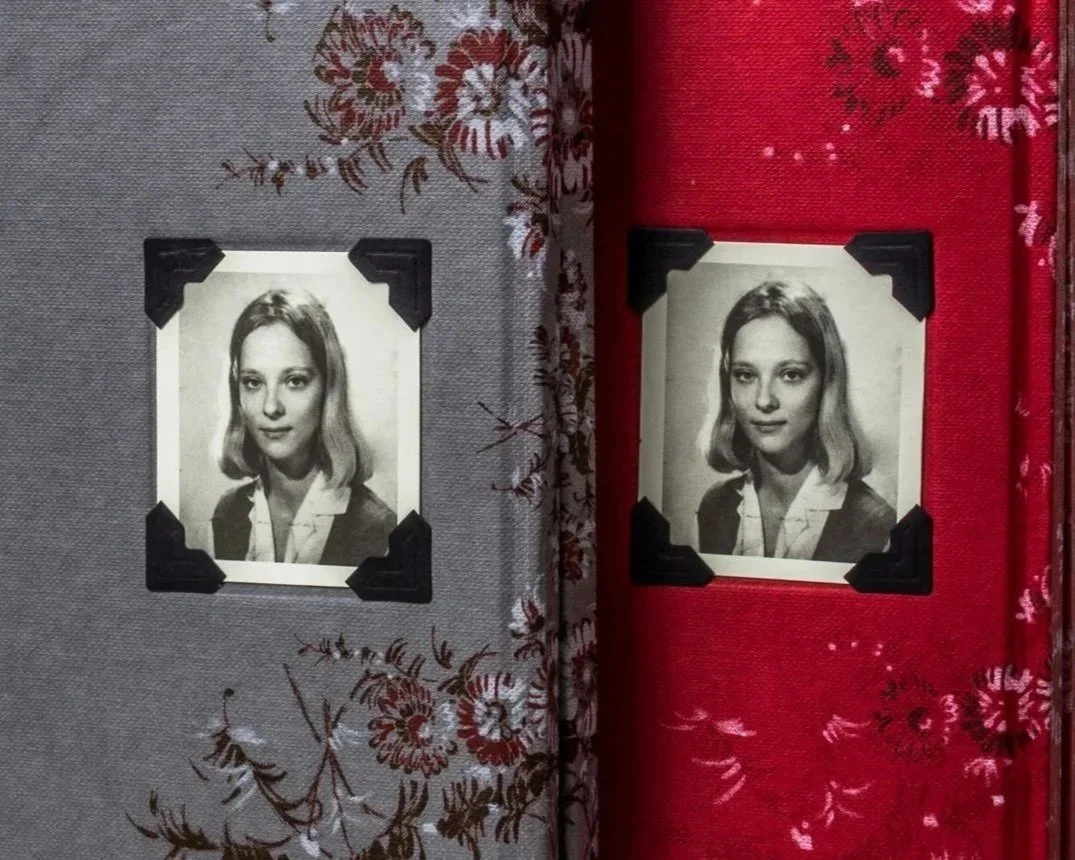
Faride Mereb es una directora de arte, diseñadora de libros e investigadora venezolana radicada en la ciudad de Nueva York. Ha recibido numerosos reconocimientos, entre ellos el Grand Prix 2024 al mejor diseño editorial en los Latin American Design Awards (Brasil) y el premio al Mejor Estudio de Diseño en Venezuela con el estudio de diseño que codirige, Letra Muerta Inc. En 2022, obtuvo la beca 10x10 Research Grant on Photobooks by Women, que respaldó su investigación sobre la primera diseñadora gráfica conocida en Venezuela, Karmele Leizaola (1929–2021). Mereb fue académica visitante en la Universidad de Columbia (2021–2022) y profesora invitada en la Universidad de Yale (otoño de 2024), donde impartió el módulo de América Latina y el Caribe en el curso History of Graphic Design: A Set of Alternatives de Geoff Kaplan.
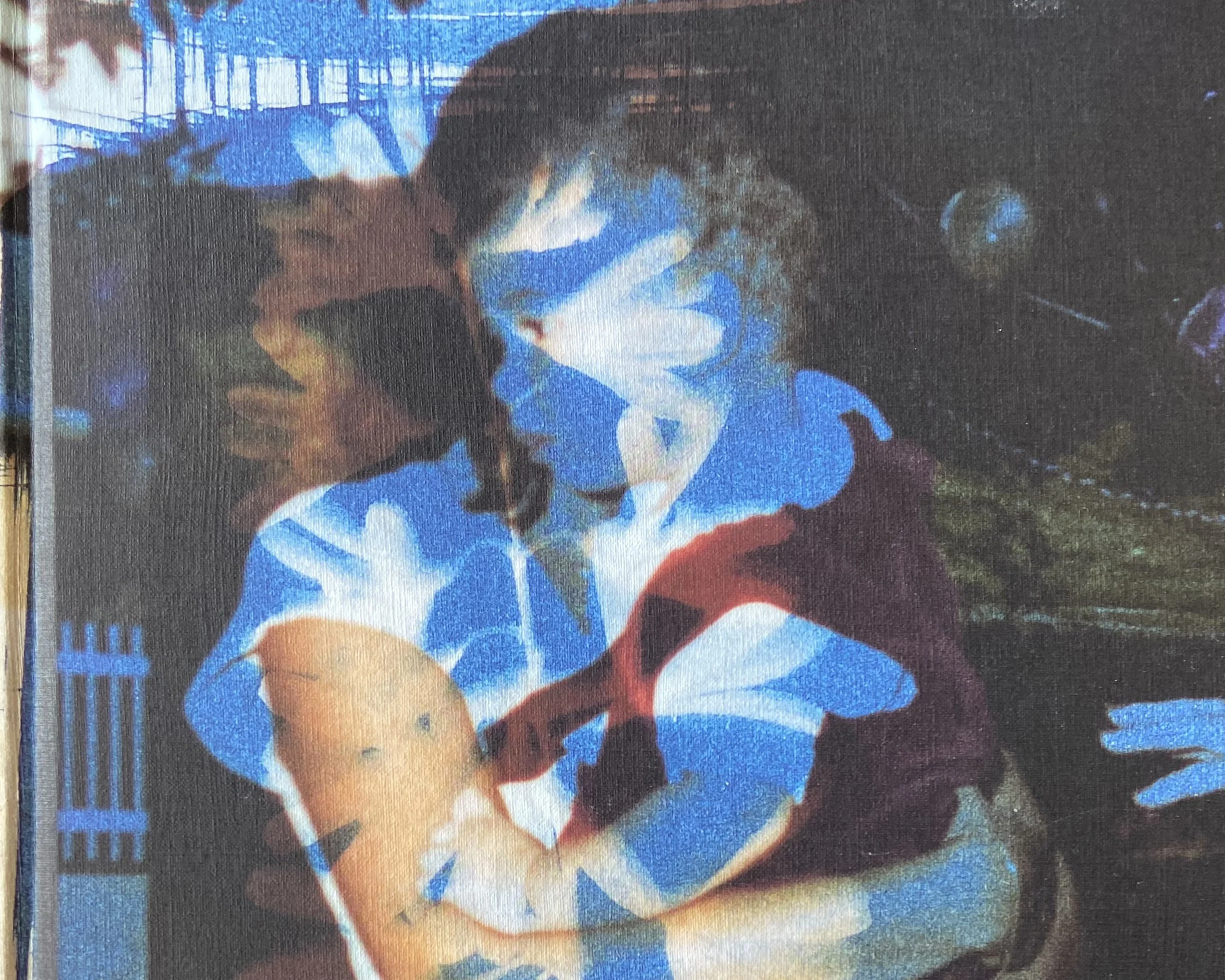
Fosi Vegue es un autor que trabaja siempre en escenarios cuyas referencias desaparecen para convertirse en metáforas reveladoras de las fallas de nuestra sociedad. Su trabajo XY XX, fue publicado por la editorial Dalpine en 2014. Ha obtenido dos veces la beca FotoPres de Fundación “la Caixa” y en 2019 una Ayuda a la Creación de Artes Visuales de la Comunidad de Madrid. Su obra se ha mostrado en exposiciones colectivas como Blank Paper: Histoires du présent immédiat, en el festival de Arlés 2017; Fotografía 2.0 en PhotoEspaña 14 o Natural Artifice en la Glass Tank Gallery de la Universidad Oxford Brookes de Reino Unido. Dedicado a la pedagogía fotográfica desde 2004, su proyecto más ambicioso, Blank Paper Escuela, le ha permitido formar a toda una generación de autores renovadores de nuestro imaginario visual, y exhibir y difundir la obra de éstos y de otros creadores emergentes. Actualmente desarrolla distintos programas pedagógicos y colabora con varios centros formativos.

Sonia Berger es una editora española, directora de la editorial Dalpine, especializada en libros de fotografía. Licenciada en Traducción e Interpretación por la Universidad de Salamanca y diplomada en Edición y Publicación de Textos por la Universidad de Deusto, complementó su formación en fotografía en la escuela Blank Paper de Madrid.Berger ha colaborado con diversas editoriales, aportando su visión y experiencia en múltiples proyectos. A través de Dalpine, ha impulsado la publicación de obras de fotógrafos emergentes y consolidados. Ha comisariado exposiciones como "Blank Paper: Histoires du présent immédiat" (2017) en Les Rencontres d’Arles (Francia) y Jimei x Arles (China), "Subida al cielo" de Lúa Ribeira (2023) o “Monstrorum historia” de Joan Fontcuberta (2025), ambas en Kutxa Fundazioa en San Sebastián.Además de su faceta editorial y curatorial, se dedica a la docencia, compartiendo su conocimiento y experiencia con nuevas generaciones de fotógrafos y editores.
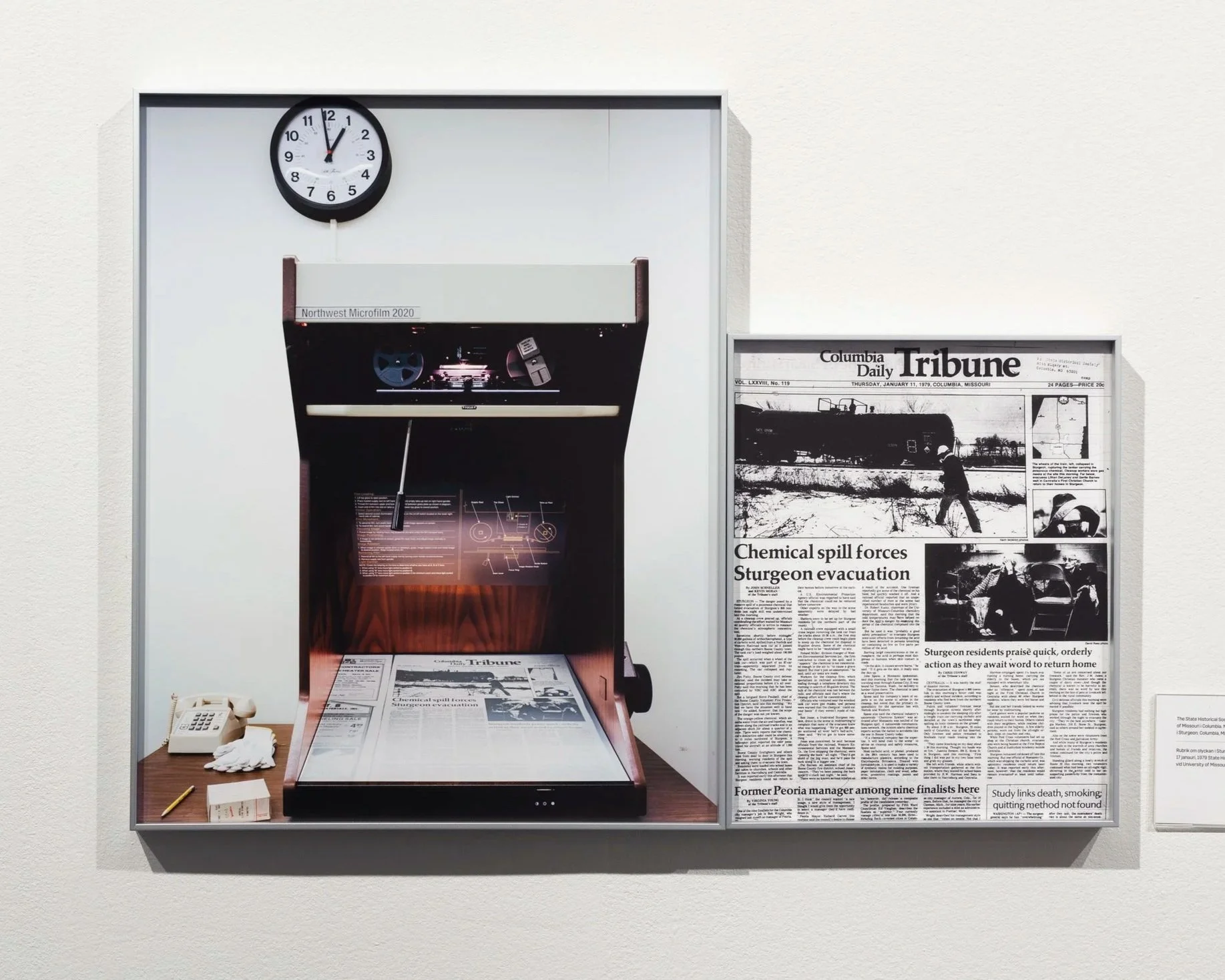
Sergio Valenzuela-Escobedo es artista e investigador y su trabajo se sitúa en la intersección entre la investigación artística, la práctica curatorial y la educación. Es doctor en Fotografía por la École Nationale Supérieure de la Photographie (ENSP, Arles).
Su investigación se centra en la génesis del aparato fotográfico como objeto técnico en América del Sur, que él concibe como una caja sagrada con una mecánica mística. A lo largo de los años, ha consolidado su reputación curatorial mediante exposiciones notables como Mapuche en el Musée de l’Homme de París; Monsanto: A Photographic Investigation —ganador del Paris Photo/Aperture Book Award 2017 y finalista del Deutsche Börse Photography Prize 2018—, y Bosques Geométricos, ambas concebidas y estrenadas en el marco de Les Rencontres d’Arles. También destaca la trilogía Mama Coca, Ipáamamu y Oro Verde, exhibida en el Fotofestiwal de Lodz. En 2025, Valenzuela Escobedo inauguró una nueva etapa en su trayectoria curatorial al ser nombrado curador asociado de la Bienal Internacional de Fotografía de Porto, donde presentó Lightseekers, una ambiciosa pentalogía concebida especialmente para esta bienal. En 2027, continuará este camino como curador asociado de la Bienal de la Guayana, consolidando así su papel como una voz clave en la redefinición de los formatos expositivos en el Sur global. Desde hace varios años, se desempeña como mentor de jóvenes creadores, en instituciones como el Market Photo Workshop de Johannesburgo hasta el ENSP de Arles, llegando a formar parte del jurado del Discovery Award de la fundación Louis Roederer, otorgado en el contexto del festival de Arles.Miembro de la Asociación Internacional de Críticos de Arte (AICA), Valenzuela-Escobedo publica regularmente ensayos y estudios en profundidad en revistas como Inframince (Francia), 1000 Words (Inglaterra), Mirà (Mónaco) y Letargo (Chile). Actualmente se desenvuelve como director artístico de Double Dummy.
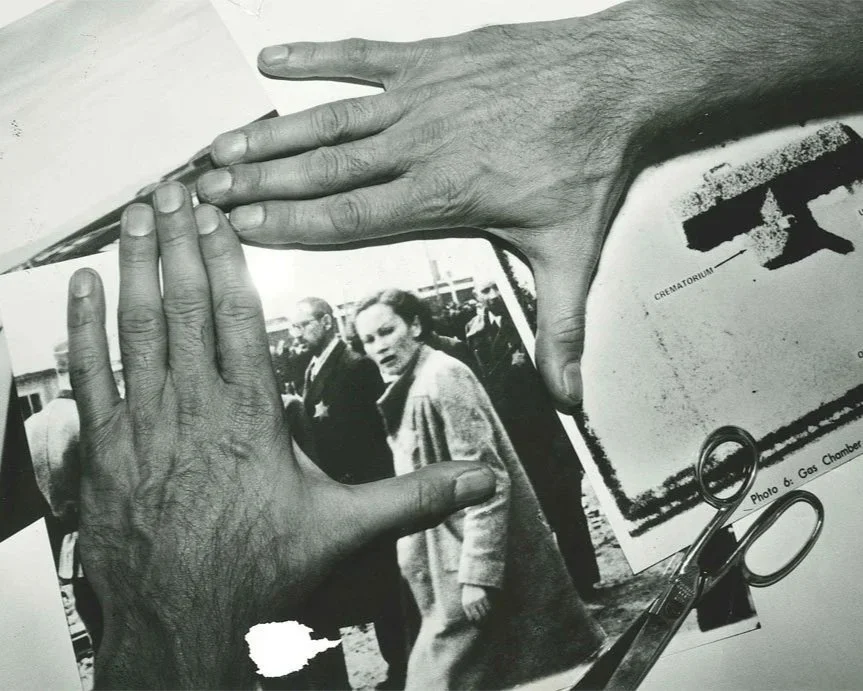
Azul Aizenberg (Buenos Aires, 1993) es cineasta y docente. Su trabajo explora el archivo desde una perspectiva iconoclasta, la historia potencial y la fabulación de la memoria. Desde 2018 coordina e imparte talleres de cine y acompaña películas en proceso desde ver y poder, hogar virtual de pedagogías cinematográficas alternativas. Ofició como tallerista y tutora de proyectos para festivales y muestras como Cortópolis (Córdoba, Arg), Residencia Otro Norte (Perú), Muestra Estéticas de las memorias (Colombia), aTemporal (Perú), FICUNAM (México), entre otras. Dirigió el cortometraje "Las Picapedreras" (2021), estrenado en Jihlava IFF y Festifreak Festival Internacional de Cine de La Plata y proyectada en más de 50 festivales internacionales. Su ópera prima, "Amor descartable" (2025) obtuvo el Premio del Público en el 9° Festival de Cine de General Pico y fue estrenada en el 25° Doc Buenos Aires. Ofició como productora y co-guionista del largometraje “Crotos libres” (2025) de Magalí Flaks estrenado en FICPBA (Festival Internacional de Cine de la Provincia de Buenos Aires). Actualmente realiza su siguiente película, "Los grandes ausentes" y cursa la Maestría en Prácticas Artísticas Contemporáneas (UNSAM). Es parte de Cineclub R.A.T.A. Investiga, monta y escribe películas a diario junto a otrxs.
Si la opción de matrícula que desea no está disponible, envíe un correo electrónico a info@penumbrafoundation.org y haremos todo lo posible por ayudarle. Si el curso está completo, podemos incluirle en la lista de espera.
¿Le interesa la membresía? Haga clic aquí para obtener más información sobre los beneficios.
En la mayoría de los casos, el plazo de inscripción finaliza 24 horas antes del inicio del taller o curso. Si desea inscribirse en un taller o curso que no aparece en la lista, o si tiene alguna pregunta, póngase en contacto con griffin@penumbrafoundation.org.
Consulte nuestras Políticas de Educación y Reembolso.
-
The photobook is an untamable entity: it pulsates, mutates, becomes contaminated, and defies its own limits. Its narrative is not merely contemplated: it is activated by handling it—opening it, turning pages, unfolding it, touching it—and it transforms as it embodies itself with other bodies, times, and spaces. Each part fulfills a function and, at the same time, articulates with the whole.
In this 8-module online program, taught by active professionals from diverse fields and locations, you will explore the universe of the contemporary photobook from multiple perspectives: sensory experimentation, narrative construction and the languages of editorial design, publishing practice, as well as its intersection with film and wall exhibition.
Throughout the classes, you will combine critical reflection and practical processes to think about and create photobooks in an expansive, active, and context-conscious way.
Students of all levels are welcome.
Modality of the class: Online via Zoom
Length: Eight Saturdays (2 hours each)
Dates: Saturdays, March 7 - April May 16 (skip April 4 & May 2)
Time: 11am-1pm (ET)
Coordinator: Verónica Fieiras (Argentina)
Teaching Artists:
Oleñka Carrasco (Venezuela/ France)
Faride Mereb (Venezuela / USA)
Fosi Vegue (Spain)
Sonia Berger (Spain)
Sergio Valenzuela-Escobedo (Chile / France)
Azul Aizenberg (Argentina)
Language: Spanish
About the Coordinator:
Verónica Fieiras is a visual worker, teacher, and founding editor of Riot Books and Chaco publishing houses. She has been involved in visual projects and photobooks in progress for over fifteen years.Her editorial work has been recognized with the Shannon Michael Cane Award (Printed Matter, N.Y., 2019), the Paris Photo–Aperture Foundation PhotoBook Award (2013), and the First Prize for Best Photobook at the Latin American Photography Colloquium in Mexico (2017), among others. She has also been shortlisted for distinctions such as Les Rencontres de la Photographie Arles – Author Book Award (2015 and 2016), Best Book of the Year – Fotobook Festival Kassel (2014), and the Paris Photo–Aperture Foundation PhotoBook Award (2021).Several of the books she has edited and designed have been exhibited in venues such as the Centre de Cultura Contemporània de Barcelona, National Library of Spain, Círculo de Bellas Artes in Madrid, Daegu Photo Biennale, Museum of Fine Arts in Houston, and the MoMA in New York, among others. Some of the books have also been acquired by public and private collections including those of Martin Parr, Gerry Badger, Erik Kessels, Joan Fontcuberta, MoMA, Museo Nacional Centro de Arte Reina Sofía, and Centro de la Imagen in Mexico, among others.She has curated three exhibitions focusing on the creative process and the conceptualising of photobooks in Mexico, Madrid, and Barcelona. After twenty years in Madrid, she has been based in Buenos Aires since 2019.
About the Teaching Artists:
Oleñka Carrasco is a Venezuelan multidisciplinary artist, visual storyteller, photographer, and educator specializing in the photobook. Her work has been internationally recognized: she was a finalist for the Luma Rencontres Dummy Book Award in Arles (2015 and 2022, with Cartas de París and Casa prestada para un duelo), received the Photo Folio Review Award at Les Rencontres d’Arles 2022, and was awarded the CNAP Prize for Contemporary Documentary Photography in 2025. Her published photobooks have also been shortlisted for the Photobook of the Year Awards in Arles and Athens, confirming the narrative and visual strength of her work. Alongside her artistic practice, she leads a strong pedagogical activity through workshops and mentorships, guiding authors through every stage of the photobook-making journey.
Faride Mereb is an award-winning Venezuelan art director, book designer, and researcher living and working in New York City. She has won numerous awards, including the 2024 Grand Prix for best book design in the Latin American Design Awards, and best design studio (Venezuela). In 2022, she won the 10X10 Research Grant on Photobooks by Women, supporting her formative research on Venezuela’s first known woman graphic designer, Karmele Leizaola (1929–2021). Mereb was a visiting scholar at Columbia (2021–2022) and a guest professor at Yale (Fall 2024) where she taught the module on Latin America and the Caribbean in Geoff Kaplan’s class, Graphic Design History (A Set of Alternatives). She is a member of the Bibliographical Society of America and American Printing History Association.
Fosi Vegue is an author who works in scenarios where references disappear in order to become revealing metaphors of the flaws of our society. Publishes in June 2014, XY XX by Dalpine. Awarded the FotoPres´05 and ´09 (best Spanish grant) and in 2019, a Grant for Creation and Visual Arts from the Community of Madrid.
His work has been shown in collectively exhibited such as Blank Paper: Histoires du présent immédiat, Les Rencontres d’Arles 2017; Photography 2.0, PhotoEspaña'14, Madrid and Natural Artifice, at Glass Tank Gallery of Oxford Brookes University, England. Having worked as a photography teacher and manager since 2004, his most ambitious project, Blank Paper School, allowed him to train a whole generation of photographers who have renovated our visual imaginary and to showcase and promote their work and also that of other emerging creators. He is currently developing different pedagogical programs in several national and international training centres. Passionate about photobooks, he co-founded Fiebre Photobook Fest. He edited and sequenced Woman Go No´Gree, by Gloria Oyarzabal, which won Best Photobook of the Year at Paris Photo-Aperture Photobook Awards 2020.
Sonia Berger is a Spanish editor and the director of Dalpine, a publishing house specializing in photography books. She holds a degree in Translation and Interpreting from the University of Salamanca and a diploma in Editing and Text Publishing from the University of Deusto, and she later expanded her studies in photography at the Blank Paper School in Madrid. Berger has collaborated with various publishers, contributing her insight and experience to numerous projects. Through Dalpine, she has supported the publication of works by both emerging and established photographers. She has curated exhibitions such as Blank Paper: Histoires du présent immédiat (2017) at Les Rencontres d’Arles (France) and Jimei x Arles (China); Subida al cielo by Lúa Ribeira (2023); and Monstrorum historia by Joan Fontcuberta (2025), both presented at Kutxa Fundazioa in San Sebastián (Spain).In addition to her editorial and curatorial practice, she is also engaged in teaching, sharing her knowledge and experience with new generations of photographers and editors.
Sergio Valenzuela-Escobedo is an artist and researcher whose work unfolds at the intersection of artistic inquiry, curatorial practice, and education. He holds a PhD in Photography from the École Nationale Supérieure de la Photographie (ENSP, Arles).
Over the years, Valenzuela-Escobedo has established his curatorial reputation through notable exhibitions such as Mapuche at the Musée de l’Homme in Paris; Monsanto: A Photographic Investigation —winner of the Paris Photo/Aperture Book Award and finalist for the Deutsche Börse Photography Prize 2018— and Bosques Geométricos, both conceived and premiered within the framework of Les Rencontres d’Arles. His trilogy Mama Coca, Ipáamamu, and Oro Verde, presented at Fotofestiwal Łódź, further reflects his sustained engagement with critical and ecological narratives.
In 2025, Valenzuela-Escobedo inaugurated a new chapter in his curatorial trajectory when he was appointed associate curator of the Porto International Photography Biennale, where he presented Lightseekers, an ambitious five-part project conceived specifically for the event. In 2027, he continues this path as associate curator of the Guyane Biennale, consolidating his role as a key voice in reimagining exhibition formats across the Global South.
For several years, he has also served as a mentor to emerging artists, collaborating with institutions ranging from the Market Photo Workshop in Johannesburg to the ENSP in Arles. He has been a jury member for the Discovery Award of the Louis Roederer Foundation, presented within the context of the Arles Festival. Currently, he is an active member jof the International Association of Art Critics (AICA) and serves as the artistic director of Double Dummy. As a critic and researcher, Valenzuela-Escobedo regularly publishes essays and in-depth studies in journals such as Inframince (France), 1000 Words (UK), Mirà (Monaco), and Letargo (Chile).
Azul Aizenberg is a filmmaker and teacher. Her work explores archives from an iconoclastic perspective, the potential history and fabulation of memory. Since 2018, she has coordinated and taught film workshops and accompanied films in progress at ver y poder, a virtual home for alternative film education. She has served as a workshop leader and project tutor for festivals and exhibitions such as Cortópolis (Córdoba, Argentina), Residencia Otro Norte (Peru), Muestra Estéticas de las memorias (Colombia), aTemporal (Peru), and FICUNAM (Mexico), among others. She directed the short film Las Picapedreras (2021), which premiered at Jihlava and Festifreak and was screened at more than 50 international festivals. Her debut feature film, Amor descartable (2025), premiered at the General Pico Film Festival and Doc Buenos Aires. She served as producer and co screenwriter for Magalí Flaks' feature film “Crotos libres” (2025). She is currently working on her next film, “Los grandes ausentes,” and is pursuing a Master's Degree in Contemporary Artistic Practices (UNSAM). She researches, edits, and writes films on a daily basis alongside others.
If your desired tuition option is unavailable, please email info@penumbrafoundation.org and we will do our best to accommodate you. If the entire class is sold out, we can add you to the waitlist.
Curious about Membership? Click here to learn more about member benefits.
In most cases, our registration deadline is 24 hrs prior to the start time of a workshop/class. If there is a workshop/class you would like to register for but it is not listed or if you have questions, please contact griffin@penumbrafoundation.org.
Please review our Education & Refund Policies